

The Fairee Dispatch
Vol. 1 Ed. 2

Realtor Note
This past week I spent a full day at the Miami Business Show this week, and honestly, the best takeaways weren’t about marketing tactics. They were about life.
One speaker said something I keep coming back to:
Leadership isn’t what you intend. It’s what people experience.
That hit me, because I think the same is true for anyone navigating a big transition. Our intentions matter, but how we show up is what creates trust.
Another idea that stuck with me: your environment is a mirror. How you present yourself says a lot about where you are mentally, and the people around you often reflect that energy back.
It made me think about my own journey. I’ve been working on becoming a more grounded leader and asking myself harder questions when things don’t go as planned:
- What part did I play in this?
- What’s my next best step?
Not blame. Just awareness.

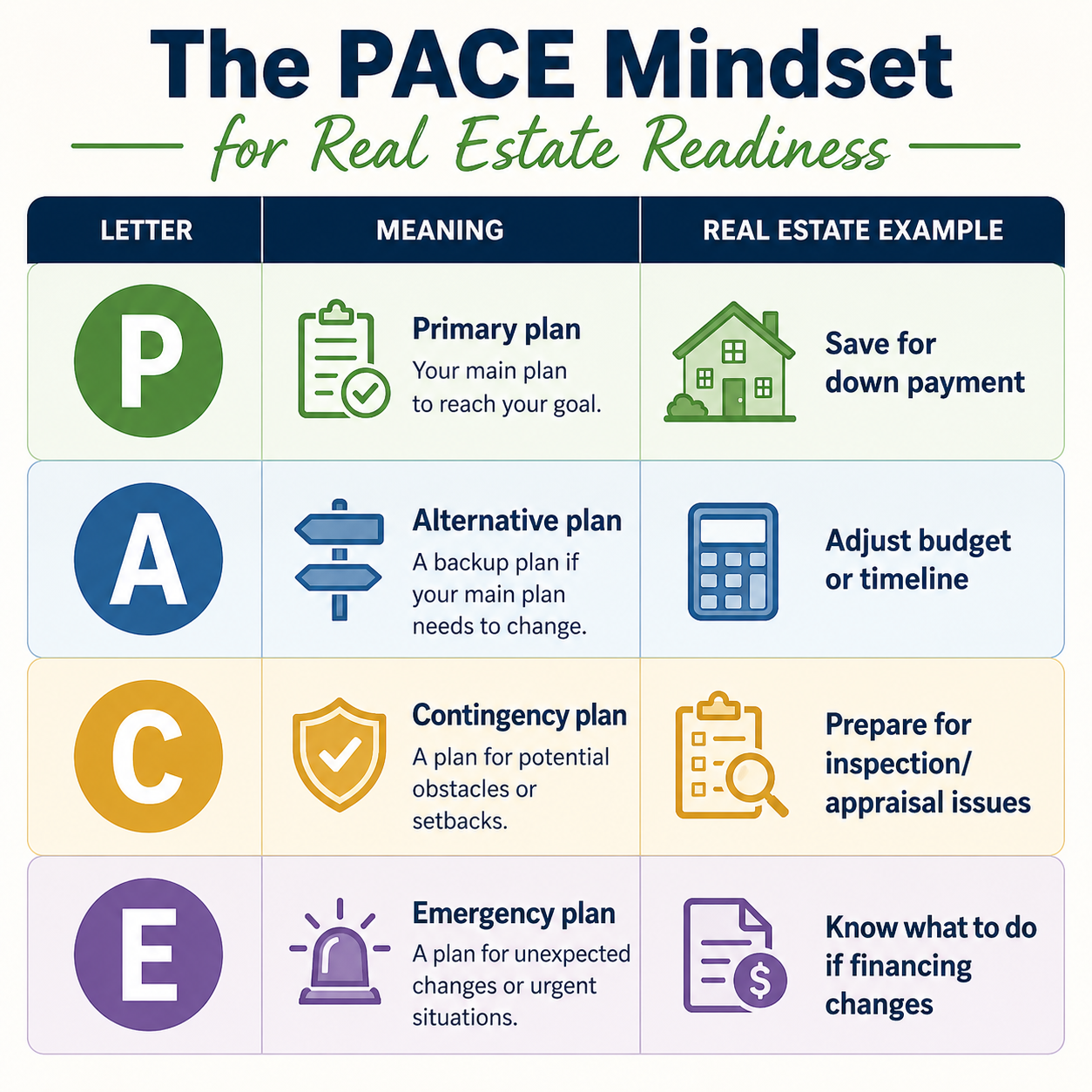
The practical gem of the day was the PACE Mindset: having a Primary plan, an Alternative, a Contingency, and an Emergency plan.
That applies beautifully to real estate. Whether you’re saving for a down payment, preparing to sell, or buying your first investment property, surprises happen. The goal isn’t to avoid them. It’s to not be caught off guard.
And one of the best places to start is your credit.
-Ashlae Guilliams
Your Credit Score
The Foundation for Your Real Estate Journey

Your credit score is more than a number. It can affect where you rent, what mortgage options you qualify for, your interest rate, and how much flexibility you have when it’s time to make a move.
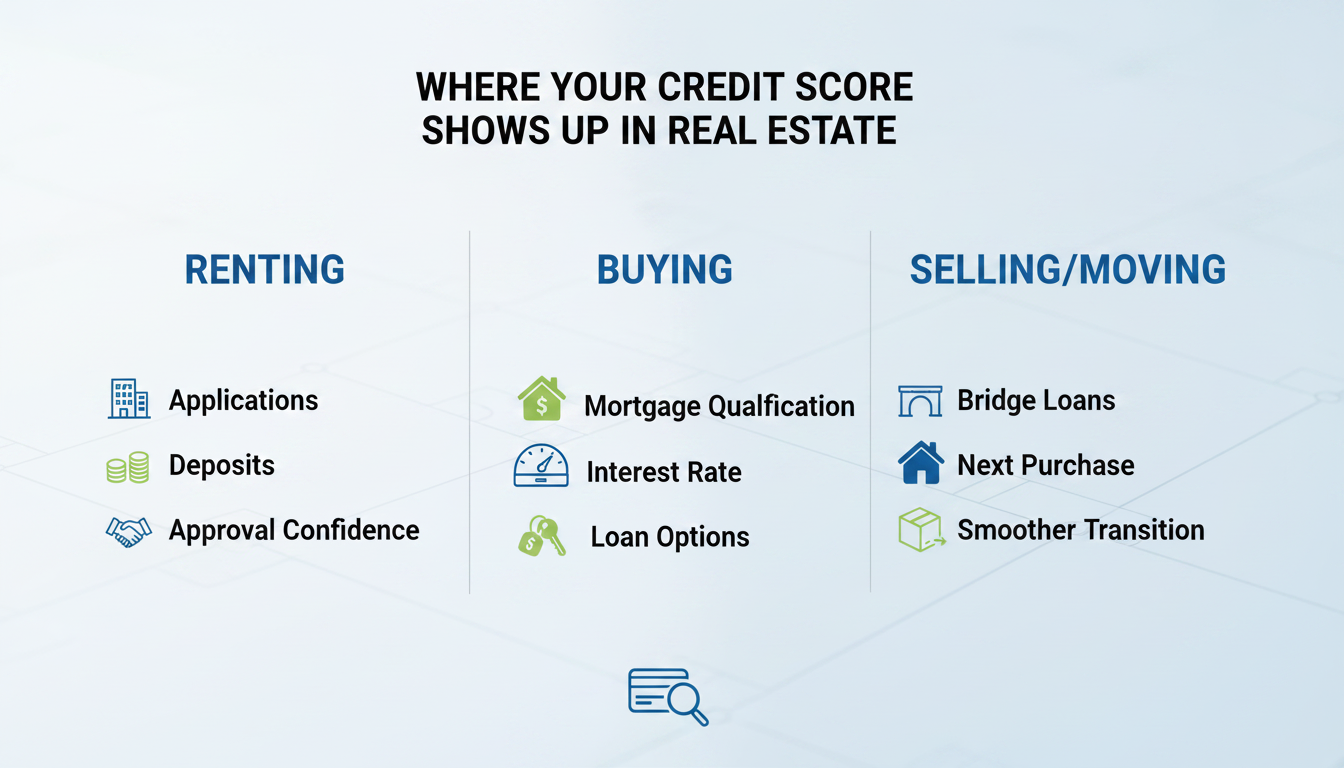
- For renters: A stronger credit profile can make your application more competitive and may reduce friction during approval.
- For buyers: Your score can influence mortgage eligibility, loan options, and interest rates.
- For sellers: If you plan to buy your next home before or shortly after selling, strong credit can make the transition smoother.
Mortgage credit scoring is also evolving. Newer models like FICO Score 10T and VantageScore 4.0 are designed to look at more than a single snapshot. They may consider trends over time, which means consistent improvement can matter.
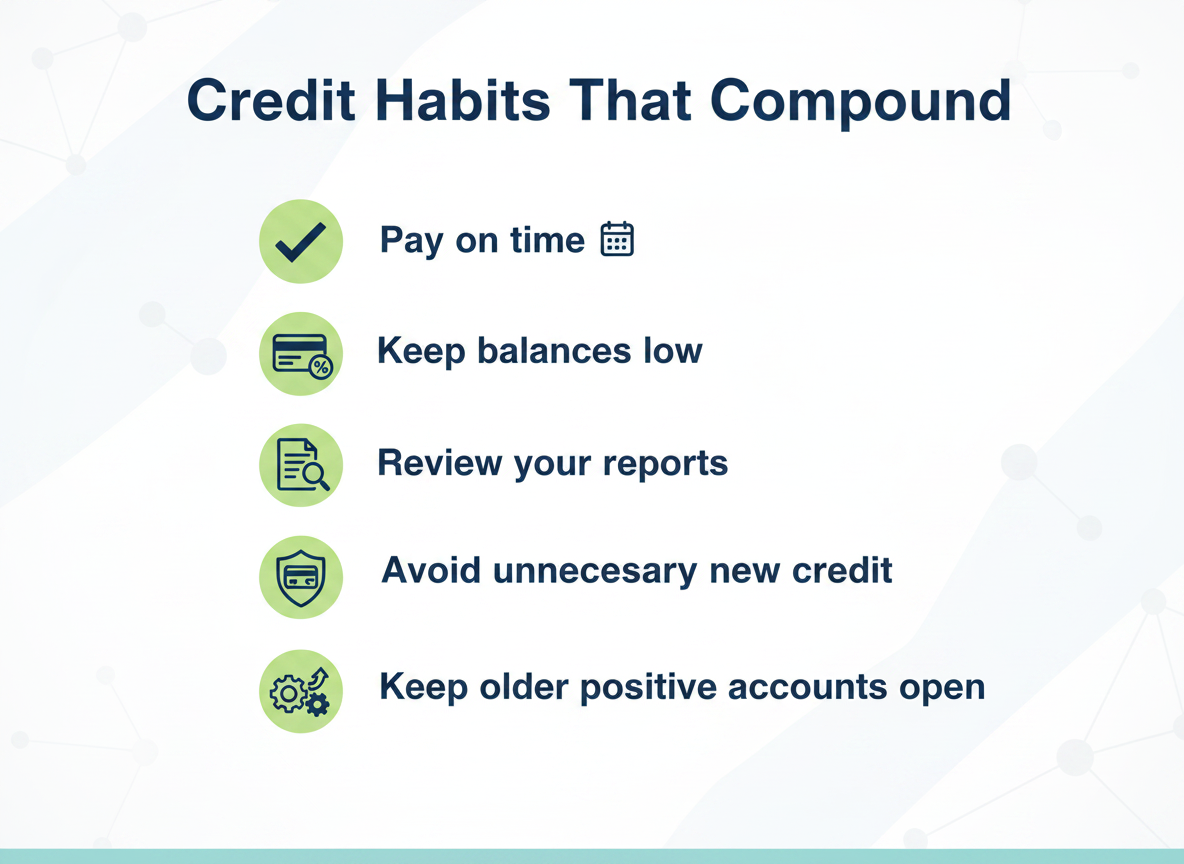
That’s why habits like paying on time, keeping balances low, and monitoring your reports are so important.
Here are a few steps to take before you’re in the middle of a real estate decision
Community & Home Showcase
Weekly Happenings
Stay in the loop! Don’t miss out on important dates. Check out this week’s key reminders and upcoming events!
Rental Properties
Your next home awaits! Explore rental properties, perfect for every lifestyle and budget.
For Sale Properties
Dreaming of homeownership?
Discover exceptional properties currently on the market, ready for you to make your own.

Frequently Asked Questions (FAQ)
Q: What is a credit score, and why is it important for real estate?
A: A credit score is a numerical representation of your creditworthiness, reflecting your financial reliability. It’s crucial in real estate because landlords and lenders use it to assess your ability to make timely payments for rent or mortgage loans.
Q: How can I check my credit score and report?
A: You can access your credit report to review for accuracy and identity theft. Specific instructions on how to obtain your reports are included in our downloadable checklist.
Q: Will checking my credit report hurt my score?
A: No, checking your own credit report is considered a “soft inquiry” and will not negatively impact your credit score. This is an important step in monitoring your financial health.
Q: What is a good credit score for buying a home?
A: While specific requirements vary by lender and loan type, generally, a FICO score of 670 or higher is considered “good.” Scores of 740 and above are excellent and often qualify for the best interest rates. The new FICO 10T and VantageScore 4.0 models may also allow for better scoring based on a wider range of payment history.
Q: How long does it take to improve a credit score?
A: Improving a credit score is a gradual process that can take anywhere from a few months to over a year, depending on your starting point and the consistency of positive financial habits. Focus on the core principles: paying on time, keeping utilization low, and managing debt. The new models also reward improving behavior over time.
Q: Does my credit score affect my ability to rent?
A: Yes, landlords frequently use credit scores as part of their tenant screening process. A higher credit score can make your rental application more competitive, potentially leading to easier approval and sometimes even lower security deposits.
Q: Can I get a mortgage if I have a low credit score?
A: It can be more challenging, but the new FICO 10T and VantageScore 4.0 models increase opportunities. Programs like FHA loans already have more lenient credit requirements, and now the inclusion of rent and utility payment history can further assist those with lower traditional scores. However, you’ll likely face higher interest rates. Focusing on improving your score before applying is always recommended.
Q: Should I close old credit card accounts I no longer use?
A: Generally, no. Keeping old accounts open, especially if they have a positive payment history and represent a long credit history, can be beneficial for your score. Closing them can reduce your overall available credit and shorten your credit history length.
To access the Essential Credit Score Checklist, please subscribe to The Fairee Dispatch. After submitting your information, you’ll receive access to download the checklist.
Inside, you’ll find practical credit habits to help you review your credit reports, make on-time payments, manage balances, and better understand how your credit profile may affect your real estate journey.
 Spanish
  English
  Russian
0 Comments